
Arizona Water Safety, Passes & Regulations: What You Need to Know Before You Go
Arizona Water Safety, Passes & Regulations: What You Need to Know Before You Go
Look, we are all here because Arizona water is spectacular and we want to spend as much time in it as humanly possible. But here is the thing about playing in the desert, the environment is stunning, occasionally extreme, and completely indifferent to whether you remembered to bring sunscreen or buy the right permit before pulling into the trailhead.
Arizona water safety is not a buzzkill topic, it is genuinely the thing that separates a legendary trip from a miserable one (or worse). So before you launch your kayak, fire up the boat, or scramble down to that swimming hole, spend five minutes here because knowing the rules, the risks, and the right gear means you get to come back and do it all again next weekend.
Tonto Pass, Salt River Permits & Where to Buy Them. Do Not Skip This Step
Here is a mistake that happens dozens of times every weekend on Arizona waterways: someone drives an hour to the Salt River, unloads their tubes and cooler, walks to the water’s edge, and then gets sent back to their car by a ranger because they do not have the right permit. Do not be that person. A little prep work here costs almost nothing and saves a lot of frustration.
What you need to know about the Tonto Pass
Cost: A daily pass is $8 per vehicle as of the most recent pricing (2026) always verify current rates at recreation.gov before your trip as fees are subject to change
Where to buy: You can purchase online at recreation.gov, through the Tonto Pass vendor network, or at certain gas stations and convenience stores near the recreation areas. Search “Tonto Pass locations” near your destination for the closest physical vendor
Salt River permit: The Salt River tube float area has its own specific permit and shuttle system managed through approved vendors. You cannot simply park along the road and wade in, so book your float through a licensed Salt River tubing operator who handles the permit as part of the package
Annual pass option: If you plan to visit Tonto National Forest multiple times in a year (and once you go, you will), the annual pass is worth the math
Display it: Once purchased, the pass must be displayed on your dashboard. Rangers do check, and the fine for not having one makes the pass price look like a bargain
The Tonto Daily Pass is the one you will hear about most. It is required for recreation on Tonto National Forest lands, which covers some of the most popular water destinations in the state including the Salt River, Saguaro Lake, Canyon Lake, and Bartlett Lake.
The pass exists because these areas are managed by the U.S. Forest Service and the fees go directly toward maintaining the trails, launch ramps, and facilities that make these spots worth visiting.
Think of it as a very reasonable cover charge for one of the best outdoor venues in the country.
Other entry passes
For Lake Pleasant, you are dealing with a different land manager, Maricopa County Parks, which has its own day use and launch fees collected at the entrance gate. No advance online purchase needed for basic entry, but fees apply for watercraft launches. Always check the Lake Pleasant rules and current fee schedule on the Maricopa County Parks website before you go, as pricing and policies update seasonally.
LIFE JACKET LAWS & BOATING REGULATIONS
Nobody wants to talk about life jackets when there is a lake waiting. We get it. But Arizona boating laws and personal flotation device requirements exist for very good reasons, and the good news is that understanding them takes about three minutes and could genuinely save your life or the life of someone you brought along.
Life jacket laws in Arizona. The basics:
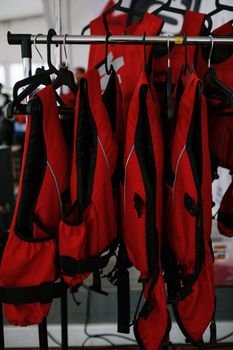
Under Arizona state law and U.S. Coast Guard regulations, every vessel on Arizona waters must carry one Coast Guard-approved Type I, II, or III personal flotation device (PFD) for every person on board.
These need to be accessible, not buried under a pile of towels in a dry bag, and they must be the correct size for the wearer.
For paddleboards and kayaks specifically:
Paddleboards (SUPs) are classified as vessels under federal law, which means you are legally required to have a life jacket on board for each person.
Adults are not required to wear it at all times on flatwater in most circumstances, but it must be present and accessible.
Children are a different story.
Kayaks follow the same rule: one properly sized PFD per paddler, on board and reachable at all times.
Inflatable PFDs are only acceptable if they are Coast Guard-approved and the paddler is 16 or older
Children and life jacket laws AZ:
This one is non-negotiable.
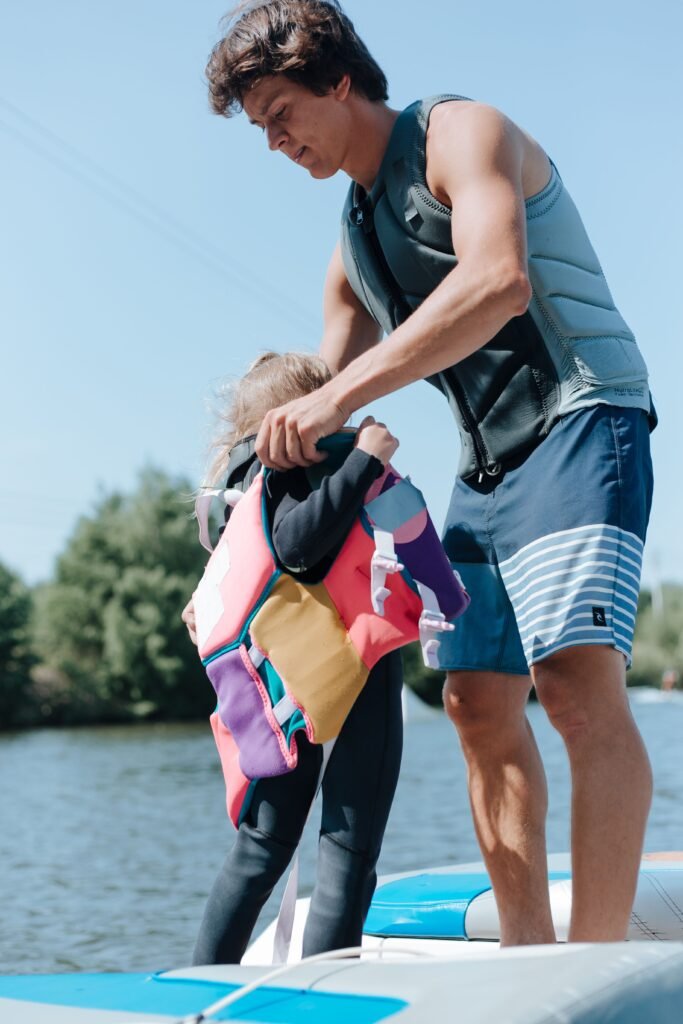
Any child under 12 years old must wear a properly fitted, Coast Guard-approved life jacket at all times while on a vessel underway in Arizona.
This applies to kayaks, paddleboards, motorboats, pontoons, and everything in between.
No exceptions, no workarounds.
Additional Arizona boating laws worth knowing:
Boating under the influence (BUI) carries the same legal weight as a DUI in Arizona. A BAC of 0.08% or higher on the water is a criminal offense.
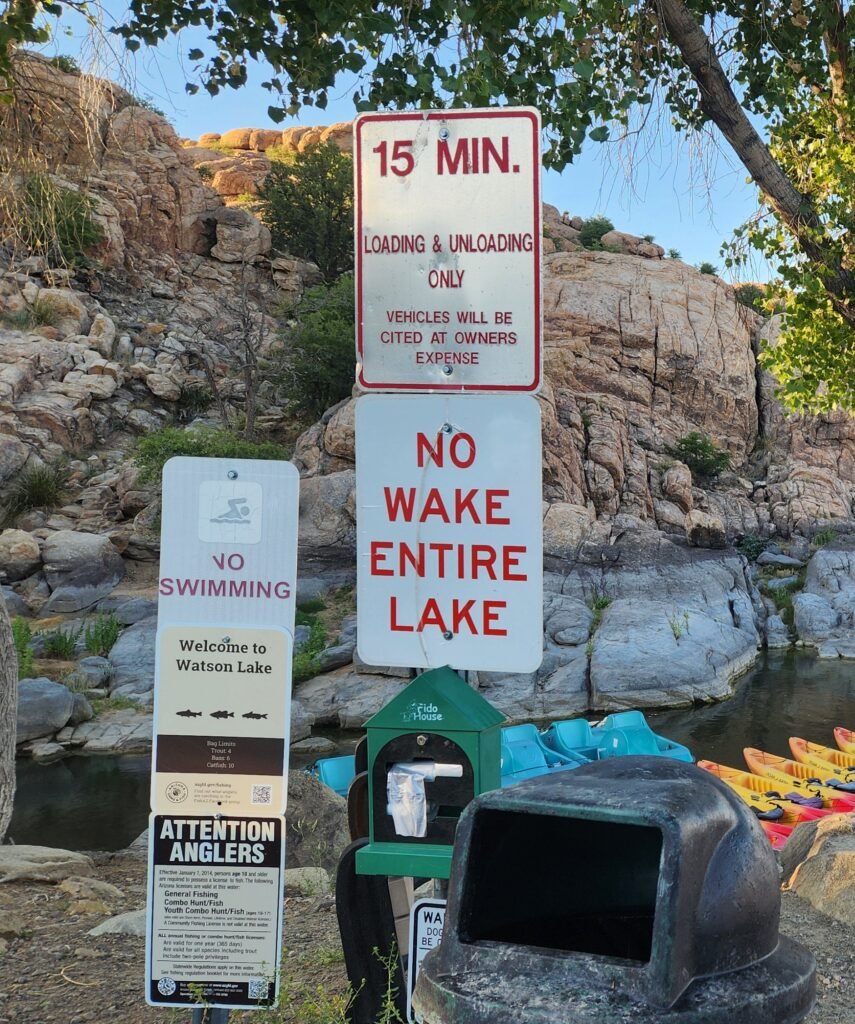
Speed limits vary by lake and designated zone. No-wake zones near docks and swim areas are strictly enforced.
Boat registration is required for all motorized watercraft operated on Arizona waters. Kayaks and paddleboards do not require registration unless they have a motor.
Navigation lights are required if you are operating after sunset which also means you probably should not be, unless you know exactly what you are doing.
When in doubt, contact the Arizona Game and Fish Department or the managing agency for your specific body of water. Rules can vary by location and the rangers are genuinely helpful if you ask in advance rather than waiting to get pulled over mid-lake.
DESERT HEAT & FLASH FLOOD SAFETY
Desert Heat & Flash Flood Awareness
The Arizona Safety Topics Nobody Takes Seriously Enough (Until They Should)
Here is the honest truth about Arizona water recreation that does not get said often enough: the water is not the dangerous part. The desert surrounding it is. Every year, visitors and locals alike underestimate the combination of extreme heat, intense sun reflection off the water, and the speed at which desert weather can turn dangerous. This section is the most important thing on this page, and we mean that without a hint of exaggeration.
Desert heat safety on the water
The Arizona summer sun hits different when you are on the water. The UV reflection off the surface effectively doubles your sun exposure, and the breeze you feel while paddling creates a cooling illusion that tricks you into feeling fine long after your body is already working overtime. By the time you feel seriously thirsty out there, you are already behind on hydration.
Bring more water than you think you need. The general rule is one liter per hour of activity in summer heat and that is a minimum, not a target. A hydration pack or an insulated water bottle that actually keeps water cold is worth every penny
Start early. On summer days, aim to be on the water by 7:00 or 8:00 AM and off by early afternoon. The hours between noon and 4:00 PM are when the heat becomes genuinely dangerous
Wear sun protection you can trust on water. That means SPF 50+ water-resistant sunscreen reapplied every 90 minutes, a wide-brim hat, UV-protective clothing or a rash guard, and polarized sunglasses that actually block UV (not just make things look darker)
Know the signs of heat exhaustion: heavy sweating, cold or pale skin, nausea, dizziness, and a rapid weak pulse. If anyone in your group shows these signs, get them to shade immediately, give them water in small sips, and get help. Heat stroke (hot dry skin, confusion, and loss of consciousness) is a medical emergency. Call 911.
Tell someone where you are going. It sounds old-fashioned but it works. If your float plan goes sideways and you lose your phone to the river, someone on dry land should know your planned route and expected return time
Flash flood awareness: the danger that comes out of nowhere
Flash flood awareness is critical for anyone recreating near desert rivers, slot canyons, or narrow creek beds in Arizona.
This is not a maybe situation. Flash floods kill people in Arizona every year, often in places where the sky above them is perfectly clear and sunny. That flood is building 50 miles away, draining off a thunderstorm you never even saw.
What makes flash floods so dangerous in Arizona:
The desert soil is largely impermeable, meaning rainwater does not soak in — it runs off instantly and funnels into drainages and canyons at terrifying speed
Water levels in slot canyons and narrow river corridors can rise 10 feet or more in minutes with zero warning at the recreation site itself
The monsoon season (roughly June through September) dramatically increases flash flood risk statewide — this is also peak water recreation season, so the overlap is real and serious
How to stay safe
Check the weather upstream, not just at your location
A clear sky above Fossil Creek means nothing if there is a storm over the Mogollon Rim draining into the same watershed. Use the National Weather Service (weather.gov) to check conditions across the entire upstream area before you go
Never enter a slot canyon or narrow river corridor if there is any chance of upstream rain.
This includes places like Antelope Canyon, Havasupai, and any narrow section of a desert creek. Guided tour operators in these areas monitor conditions and will cancel trips. Trust that call
If you see or hear water rising unexpectedly, move to high ground immediately.
Do not wait to see how bad it gets. The time to move is the second something feels off
Familiarize yourself with the specific flood risk
at your destination before you go. Many popular Arizona recreation sites post seasonal warnings and closures during high monsoon activity