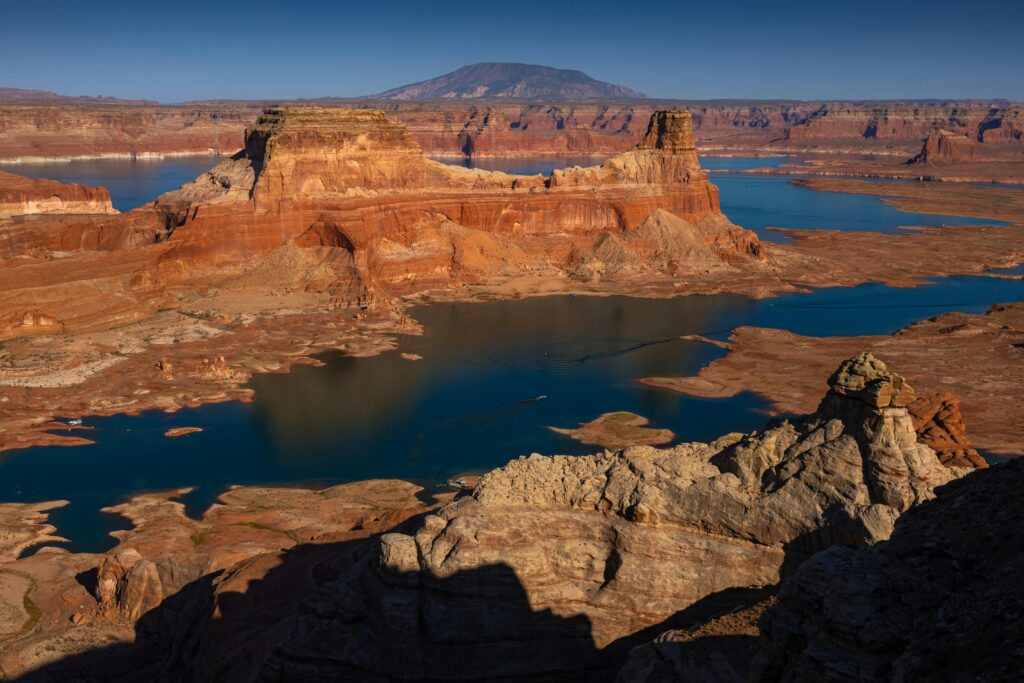
You would think living in the Sonoran Desert means water is a distant fantasy. Something you stare at on a screensaver while your flip-flops melt to the pavement outside. But Lake Pleasant sits about 35 miles northwest of Phoenix, 10,000 acres of surprisingly beautiful reservoir tucked between saguaro-covered hills and the Bradshaw Mountains, and it has opinions about temperature.
Strong ones, actually.
Water here swings from “refreshing desert oasis” to “accidental ice bath” depending on when you show up. This guide gives you the actual numbers by month, explains why the lake does what it does, and tells you how to check conditions before you head out. Swimming, fishing, and paddling advice each get their own dedicated posts linked below. This one is just about the temperature itself, which is honestly enough to talk about.
Current Lake Pleasant Water Temperature
As of June 20, 2026, Lake Pleasant is sitting at 85°F (29.4°C) at the surface. That is above the 10-year average of 27.4°C for this date and reflects the steady warming trend the lake has been on since late May, when surface temps were hovering around 78°F.
The main basin is where you will find the warmest readings. The Agua Fria arm and areas near New Waddell Dam typically run a few degrees cooler, especially during active dam operations or after winter runoff comes down from the mountains.
One important heads-up for 2026: the Central Arizona Project confirmed that while Lake Pleasant is operating under a Tier 1 shortage declaration for Colorado River water, the lake level is not expected to drop outside of normal historical operating ranges this year. Boat ramps and recreational access remain fully operational. That said, always check the Maricopa County Parks website or call the ranger station the morning of your trip after any significant weather events, especially monsoons.
💡INSIDER TIP
Always check the morning of your trip, not the night before. Conditions at Lake Pleasant can shift meaningfully overnight, especially after a storm or a dam release.
Lake Pleasant Water Temperature by Month
These are 10-year historical averages from SeaTemperatures.net, blended daily from satellite data and buoy readings. Individual years vary based on weather patterns, CAP operations, and snowmelt inputs, but this gives you a solid planning baseline.
| Month | Avg Surface Temp | Conditions |
|---|---|---|
| January | 62°F (16.6°C) | Cold. Wetsuit territory for swimmers. Good winter bass bite. |
| February | 62°F (16.9°C) | Still cold. Bass beginning to move shallower by late month. |
| March | 66°F (18.7°C) | Cool but improving fast. Great kayaking with a splash jacket. |
| April | 71°F (21.5°C) | Mild and genuinely beautiful. Shoulder season at its best. |
| May | 75°F (24.1°C) | Swimming season begins. Weekday mornings are magic. |
| June | 80°F (26.7°C) | Full summer mode. Early starts are non-negotiable. |
| July | 86°F (30.2°C) | Hottest month. Paddle at dawn or pay the price by 10 a.m. |
| August | 89°F (31.5°C) | Peak heat. Monsoons can drop temps 3 to 5°F overnight. |
| September | 87°F (30.6°C) | Still warm, thinning crowds. Underrated month to visit. |
| October | 81°F (27.3°C) | Excellent paddling. The lake’s best-kept secret month. |
| November | 72°F (22.1°C) | Cooling off. Great for fishing, getting chilly for swimming. |
| December | 65°F (18.4°C) | Winter setting in. Wetsuit advised for prolonged water time. |
Source: 10-year monthly averages via SeaTemperatures.net
One thing worth noting: across a typical year the water at Lake Pleasant averages around 23.7°C (74.7°F), with the warmest stretch arriving in August and the coolest in January. The water also lags the air temperature by a few weeks, which is why August ends up warmer than July even though peak air temps hit hardest in mid-July.
How Lake Pleasant Water Temperature Changes Through the Year
Lake Pleasant does not do gradual. This lake has strong seasonal opinions and it will make them known the second you step off the dock.
Winter (December through February) brings the lake to its quietest, coolest state. Surface temps settle into the low 60s, which feels genuinely cold after a summer of 85-plus degree water. Most casual visitors stay out of the water this time of year. Serious anglers, on the other hand, love it. The crowds are gone, bass and stripers are still biting, and the lake has a quiet, almost eerie beauty on a clear January morning.
Spring (March through May) is when things start moving. Temperatures climb from the upper 60s into the mid-70s as Arizona’s sun puts in progressively longer days. The Agua Fria River brings snowmelt runoff into the northern arm of the lake during this period, which can keep that section noticeably cooler than the main basin. By May the lake has fully transformed, and by mid-May the warmest coves are genuinely inviting.
Summer (June through August) is full party mode, and the numbers back it up. Surface temps climb through the 80s and peak in late August. During the hottest part of the year fish seek cooler spots beneath the surface, which is worth knowing if you are planning to combine a paddle with some fishing. Air temps regularly hit 110 to 115°F, which means your window for comfortable outdoor activity runs roughly from sunrise to about 9:30 a.m. Plan accordingly. Monsoon rains cool surface waters and increase inflows, leading to slight drops in lake temperature. After a big storm rolls through in July or August, give the lake a day or two to settle before heading out for anything visibility-dependent.
Fall (September through November) is the best-kept secret at Lake Pleasant. September water still sits around 87°F, but crowds drop off sharply after Labor Day. October is arguably the best overall month on the lake: warm water in the low 80s, comfortable air temps, and almost no boat traffic on weekday mornings. By November, surface temps are dropping toward the low 70s. Still comfortable for paddling, getting chilly for swimming without a wetsuit.
What Affects Water Temperature at Lake Pleasant
Understanding the forces shaping the temperature helps you plan smarter trips. A few things going on here that you will not find at most lakes.ate May Through September: Peak Swimming Season
CAP Operations and Dam Releases. Lake Pleasant is not a typical natural reservoir. Water stored here comes from two sources: the Central Arizona Project canal, which pumps Colorado River water into the lake during fall and winter, and runoff from the Agua Fria River. Each spring and summer, CAP releases that stored water to meet demand across the region, supplying cities and agricultural areas as far away as Tucson. When that release cycle kicks in, colder water from depth gets pushed toward the surface near the dam. You can feel the temperature difference if you are swimming or paddling close to the dam structures. For 2026 specifically, despite a Tier 1 shortage declaration for Colorado River operations that began January 1, CAP does not expect the lake level to be significantly impacted this year, with levels staying within normal historical operating ranges.
Monsoon Season. Arizona’s monsoon runs roughly July through mid-September and is one of the most dramatic weather phenomena in the American Southwest. Heavy storm systems cool surface waters and push increased inflows into the lake, leading to noticeable drops in temperature and shifts in fish movement patterns. After a major storm, expect reduced water clarity for a few days as sediment works its way through the system.
Snowmelt from the Agua Fria Watershed. In late winter and early spring, runoff from mountain snowpack flows down the Agua Fria River into the lake’s northern arm. Arizona actually has a bimodal precipitation pattern, meaning the lake gets hit from two directions: winter frontal rains and summer monsoon thunderstorms. The snowmelt side of that equation sends cold, sediment-rich water into the Agua Fria arm that creates a noticeable temperature difference between that section and the main basin during late winter and early spring.
Arizona’s Sun. There are 14-plus hours of direct, relentless desert sun hitting the surface in peak summer. The lake warms fast under those conditions. A string of 110°F days in June can raise surface temps by several degrees within just a few days.
How Is Water Temperature Measured at Lake Pleasant?
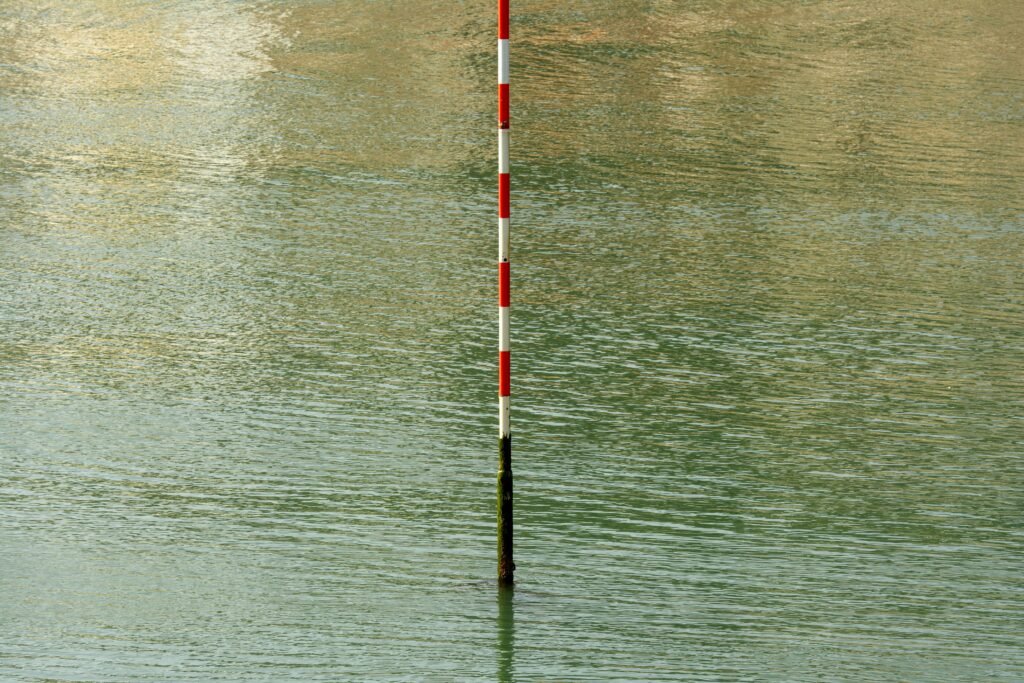
Daily temperature readings are sourced from NOAA, which combines satellite data with measurements from buoys and floating sensors to build a continuously updated picture of surface conditions. The USGS also maintains an active gauge on the Agua Fria River at the lake that tracks real-time flow and water data. Maricopa County Parks rangers and CAP hydrologists conduct their own field readings, particularly around dam operations.
If you see slightly different numbers across apps and websites, that is completely normal. Wind, sun angle, time of day, and dam activity can all shift surface temps by 2 to 3°F within hours, and not every source updates on the same schedule. A two or three degree gap between websites just means nature is doing its thing at a pace that data collection has to chase.
F.A.Q.
Found this useful? Share it! 🌵